
Mobile marketing is a type of advertising that appears on mobile devices such as smartphones and tablets that have wireless connections. Because mobile devices typically have smaller screens than computers or laptops, this form of digital advertising is usually optimized for small displays by being concise.
Investopedia
The rapid growth of mobile is changing how you can promote your brand online. We use mobile more than computers or laptops. Therefore, it is worth looking into the mobile possibilities for digital marketing.
There are plenty of opportunities for mobile marketing, however not all of them may be beneficial for your business. Before making any investments of time or budget create a Mobile Marketing Strategy for your business.
Determine the goals for your Mobile Marketing Strategy
What are you looking to achieve and how is this going to support your overall business goals?
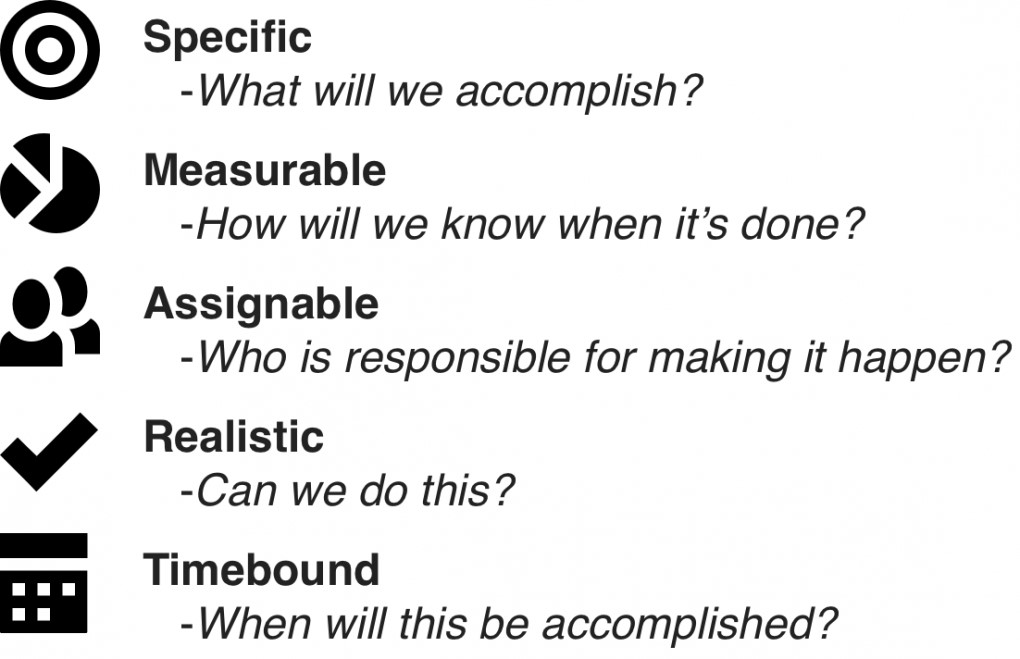
Create SMART Goals
Your mobile marketing goals should be
S – specific
M – measurable
A – attainable
R– relevant
T – time-bound
Using SMART framework to create your goals will allow you to measure your success and/or to react appropriately if any of those goals aren’t meet.
How to use mobile for your business goals?
- A mobile-friendly website, will encourage more audience to visit.
- Call-to-action buttons, will allowing to call your business right away, or take any other action fast.
- GPS, will help to find your business quicker, especially useful for potential customers in your local area.
Decide how you are going to achieve those goals
There are a few factors to consider if you want to successfully market your brand on mobile.
Mobile marketing and search engines
Search engines offer results that the searchers are looking for. If you want those results to show for people using mobile, you have to make your website responsive (mobile friendly) for mobile users.
Important decisive factors for the search engines are:
- A page that fits into a mobile screen.
- A clear design, telling the visitors right away where they can find what.
- Clickable buttons to call or find the location.
- Performance, how quickly the page loads.
- Usability, how easy is to navigate your website on mobile.
- Shorter links and content that fits the mobile screen.
- Using small images.
- Minimising typing required by the searcher.
- Clear messages.
Mobile marketing and Apps
Mobile apps help to engage with customers “on the go”. A mobile app will work for some business, but not for all. Mobile apps are applications that can be downloaded and they can have different functions than websites, like for example,
- Push notifications, like reminders, which you can automatically send to your customers.
- Loyalty programs, to earn points for example.
- Simplified checkouts.
What makes a good app?
Successful apps provide good customer value and encourage regular use.
Tweet
- At the core of value is utility, function or usefulness. This could be delivered in an app through problem-solving, providing entertainment, providing customer service or improving efficiencies for frequent tasks.
- A successful app ideally should have a single focus and provide a single service, with high performance. An app that is confusing or has poor performance will be less likely to receive ongoing consumer engagement.
- An app should be user-friendly. The utility can be supported through user-friendliness (ie. it is intuitive, easy to navigate, simple).
- Apps that can personalise users’ experiences, reflecting personal preferences have a higher chance of being considered valuable. There is a growing expectation of personalisation amongst app users.
- Apps should also have a consumer feedback option, enabling a good insight into customers’ experiences and an opportunity to address any complaints (Hamilton, 2019).
Boost your mobile marketing campaign with paid advertising
Advertising on mobile
Mobile advertising can create a unique opportunity to target the audience.
Tweet
Advertising on mobile allows the marketer for:
- Targeting an audience based on location.
- Running ads where people are looking for services/products you offer, like plumber near me (use short and precise keywords to achieve that, like a “local plumber” or “leaky pipe”).
- Display ads when people are looking for your business.
- Ads inside of apps.
- A call-to-action button for the customers to react right this moment.
- Search ads for mobile, using shorter keywords (people search differently on their mobiles, using shorter sentences).
Remember to use Google Keyword planner specified for mobiles and create ads very specific to the keywords you use. Specify ad as mobile preferred, if you don’t want it to show on computer or laptop. And, use bid adjustment relevant for mobiles to save money. Make sure that your website is optimized for mobile before doing any of the above.
Social Media campaigns for mobile marketing
There are 3 steps to social media advertising:
- Determine which platform you want to use. Remember they all serve different purposes.
- Use audience targeting features inside of these platforms. You can choose the age, location, profession and so on.
- Optimise your ad for viewing on a mobile screen. Short and simple or image-based ads.
Video ads for mobile marketing
Video ads can be more engaging and provide more information than traditional ads. Effective video campaign doesn’t need to be expensive, you should remember about the following, however,
- Think about what content you want to create. Who’s your audience and what they want to see.
2. Keep it short. Attention span is limited and people get bored easily
3. A clear call-to-action. Tell your audience what they should do next, after watching your ad.
4. Make sure your ads are targeted and relevant. You want to reach your perfect audience that will respond to your ad.

Measure the success of your mobile marketing strategy
Set up the Key Performance Indicators (KPIs) for your mobile marketing strategy. You need to know how to use available data and metrics to market your business, to evaluate and grow. KPI’s will vary depending on the business.
Track and measure your results Google Analytics will help you to figure out what is working for your marketing campaigns and what is not. Track your KPIs and make adjustments the campaigns are not bringing the desirable results.
Follow your plan but stay flexible. Revaluate, make changes and adapt different practices if needed. The online world is constantly changing and so should your online marketing strategy.
Summarising
Mobile marketing is a smart move in today’s world, with 67% of the population using mobile devices. Optimising your website to be responsive on mobile is the bare minimum the business should do to be successful online. Creating paid ads optimized for mobile can be very beneficial for promoting your brand. Whereas specific audience targeting can help you to reach your ideal customers only and safe money on PPC.
To learn more about engaging and connecting with the audience read Digital Branding and Brand Engagement – Customer Behaviour and Digital Branding and Brand Engagement – Content Marketing.
To learn more about the digital brand expansion make sure to read: Digital Branding and Brand Engagement – Owned Media Marketing, Social Media Marketing Strategy For Businesses. Expand Your Online Reach and How the Search Engines can help your business? SEO Plan and successful SEM campaigns.
Thank you for Reading!
Ola van Zyl
Did you enjoy reading this post? Feel free to like and share.
Thank you!
 Online Marketing Solutions