
Owned media marketing is an essential part of digital branding and brand engagement. Owned media are the communication channels allowing brands to share their values, engage with the customers and gain their loyalty.
Owned media marketing can increase the effectiveness of paid media and earned.
Tweet
Owned media are the channels owned by the brand, like corporate website, corporate video, blog, community, newsletter or e-newsletter, apps, as well as partially controlled social media platforms. Brands need to establish which media will amplify the brand, create a relevant message for the target audience and communicate it via the right channel.
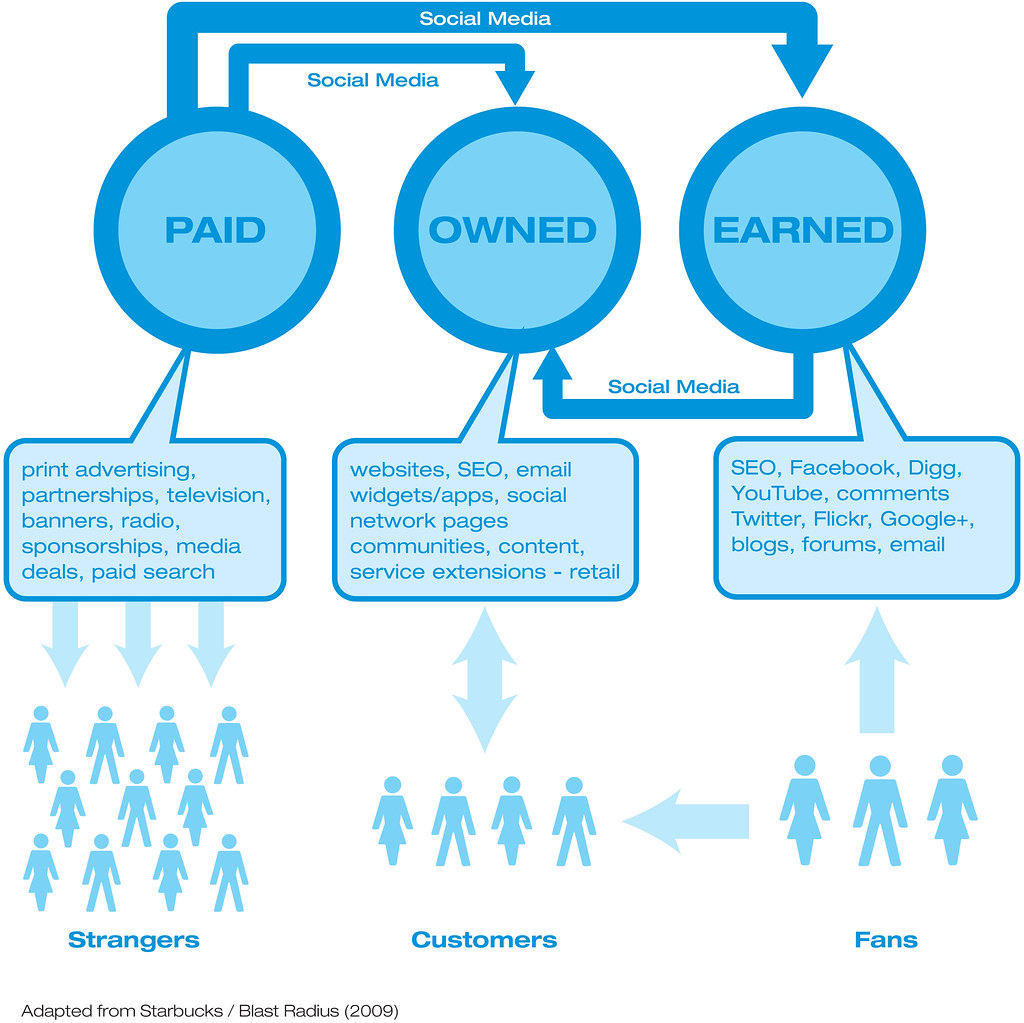
Owned Media Marketing Strategy
1. Goal
- What the brand wants to achieve by implementing owned media marketing?
- How will those goals support the overall business goals?
2. Audience
- What channels does my key audience(s) use?
3. Channel
- What objectives can be achieved from these channels and do these align with my needs?
- How effective will these owned media options be in leveraging paid and earned media?
4. Message
- Do I have the resources to sustainably create (or curate) a high quality, valuable and relevant content for these channels?
5. Analytics
- Will I be able to measure channel success effectively?
The Role of a Website in Owned Media Marketing Strategy
Today, websites can fulfil many roles beyond building brand awareness and favourability. Websites can promote products and services, provide customer service, build relationships through valuable content, help to crowdfund, generate sales leads, enable sales transactions and build online communities.
Roberts & Zahay, Barraclough
A website is an opportunity for a brand to share valuable information and resources with the audience. A website can include a variety of content shared via posts, videos, newsletters, etc. A website is a backbone of the brands’ online presence and marketing, however, it cannot be the only type of digital presence. It must coexist with social media platforms (or other earned media), where the content can be introduced to a wider audience.
What makes a good website?
1. A website must be easy to use and navigate
Easy to navigate website should be/contain,
- A landing page with clear directions on how to access the remaining pages.
- Contact page.
- Menu linking to all pages.
- Be responsive: adjusted to different devices, like mobile or tablet.
2. A website must be visually appealing and well designed
Following factors influence the appealing look and good design of the website,
- Colours and graphics, which capturing attention, but are not distractive form something you want your audience to do on the website.
- Visual clarity. Clear and obvious pages positively impact purchasing decisions.
- Nice, not too large (48px is optimal) buttons, positioned easily on the page, close to the target.
- Simple and familiar. Low visual complexity, crisp but understandable design.
- Social and emotional. Social proof like testimonials, because people desirers are often provoked by other people. Facial expressions of emotions, like a smiling face, which will bring a positive association with your brand.
- F shape. A study on how people read websites has shown a distinct F Shape to their eye movements and fixation points. People read the headline. Then they read the first sentence of the leading paragraph, then scan down each of the sub-headings (Canva).

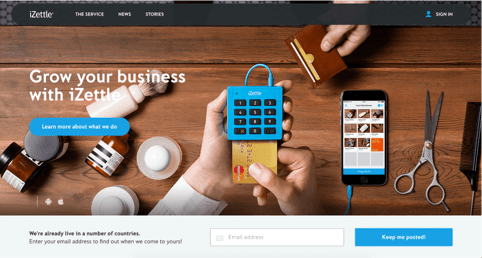
Check out the SumoMe’s Heat Maps, which shows exactly where visitors to your site are clicking.
3. Websites’ content must be interesting and useful
What makes the content interesting for the audience?
- Content based on your customer’s interests. Remember you are writing for them.
- Engaging. Beautiful pictures, great videos, entertaining, motivational, creative content, that will keep the audience interested.
- Clear. For a heavy txt content use subheadings, highlighting, paragraphs to make it easier to read. Add pictures, GIFs and videos to break the text.
4. A website that you want to bookmark and come back to
Be creative, be different, be engaging, do not copy others. Create always thinking of your target audience, for them and about them. Customer first and the brand in the background. Mention what you stand for, what your brand is all about to create a personal connection and loyalty to your brand.
Take a look at those 21 Award-Winning Website Designs & What They Did Right.
Website analytics
Always measure if what you are doing is successful.
Website analytics can identify:
- Visitor metrics: Number of unique visitors, percentage of mobile visitors, where visitors have come from
- Visitor site behaviour metrics: Average number of pages per view, bounce rates (visitors leaving after one page), length of time on site, whether viewing on landscape or portrait orientation
- Visitor page-specific behaviour metrics: Most visited pages, and/or specific areas of the page that a user visits (and/or clicks on) before scrolling (Dupuis, 2018)
Check out The Best Web Analytics Tools 2020
Visual Owned Assets as a Part of Owned Media Marketing Strategy
A 2018 survey found 36% of B2C marketers rated visual content as the most important form of content; followed by blogging, and B2B marketers rated it as the second most important content.
Stelzner
Visual content, like images, memes (a piece of media that spreads rapidly across the Internet), animated GIFs (a moving image, easily shared across digital platforms), infographics, etc., can be a highly effective way of engaging with the audience. To use this successful brand should create a Visual Content Marketing Strategy.
Visual Content Marketing Strategy
- What platforms is the target audience is using?
- Compile data on your current customers.
- Use social media analytics.
- Check out the competition.
- What message the brand wants to communicate?
- Clearly define your product and service.
- Create target market statement.
- Research what keywords is your audience searching for and answer their questions.
- What type of engagement the brand is looking for?
- Build brand loyalty, promote brand values. Try photos and videos.
- Positive customer experience. Try gamification.
- More subscribers. Discount codes and vouchers.
- Boost brands engagement. Try events, conferences and seminars (also virtual). Read more on different types of brand engagement.
- How the brand is going to measure success?
- Create SMART KPIs. Read more about creating a social media marketing strategy and using KPIs for measuring the success
- Use analytics to measure it.
- Analise and reassess every 6 weeks.
Successful Visual Content Marketing for Each Type of Owned Media Marketing Assets
The preference for imagery shows in the massive number of videos people watch each day. More than one billion users watch over one billion hours of YouTube video daily. Cisco projects that by 2022, traffic from videos will make up 82% of all consumer internet traffic.
Terakeet
1. Photos
Use rich photography and build your content around it. Or, try to make it shine on its own via slideshow storytelling. Place your brand or branded product in the centre.
2. Videos
Whether produced in-house or outsourced need to be well-coordinated in regards to timing and budgeting. Determine which videos can be done faster and cheaper than others. Break the content in a video-friendly way. Share customers stories.
3. Infographics
Infographics present difficult data-rich content more understandably. Build the infographic into a strategy. Cross-coordinate content and design. Implement SEO in the explanation below the infographic to make it searchable.
4. CTA’s
Implement, in a logical way, several CTA’s in the content to break things up and increase conversions. Place them where you want the customer to take action, like buy, subscribe or request more info, etc. Test your CTAs and reassess if needed.
5. Quizzes and surveys
Great way to entertain your audience and show genuine interest in their opinion. Find out what intents your audience and build quizzes around it.
6. GIFs
Use to break out the content of blog post or other rich text in a humorist way. Product-related GIFs can also be simply produced, by animating product image.
Read more about the Ways to Use Visual Content Marketing
Video Marketing trends 2020 https://youtu.be/NX9fTxEW9Sg
Holistic Search Engine Optimisation for Brands/Enterprises
Search engine optimisation plays an important role in owned media marketing strategy. Search engine optimisation for brands varies from the SEO for individuals or small businesses. What’s the difference?
1. Scale
Brand SEO scale is much bigger. Brands could have several websites, with thousands of pages in several languages. Therefore the content will include a wide range of keywords, with competitive head terms.
2. Goal
Enterprise SEO goals must align with the overall brand business goals. Brands are focused on building trust and loyalty. Therefore they need to build a positive customer experience at every stage of the customer journey.
3. Positioning
Unique position in Google search and its current capabilities and trajectory. Brand’s need to protect its existing search footprint against fluctuations in Google’s algorithm. (Terakeet)
Enterprise SEO needs more sophisticated and scalable approach. Involving automation of the process, extensive analysis, strategic outreach and boarder coverage.
Tweet
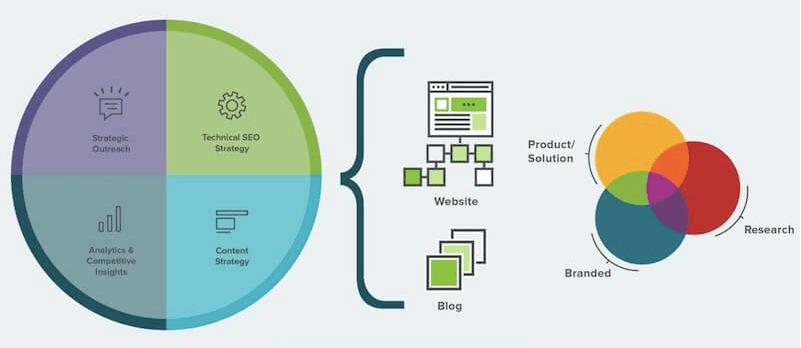
Read more about How Search Engines can help your business? SEO Plan and successful SEM campaigns.
Search Engine Optimisation Strategy for Brands
1. Branded keyword research
- Searching for keywords including brand name or product. The target audience already knows the brand and is intreated in purchasing the products.
- Getting a large number of target keywords, also those which not include the brand name will help to grow the brand. Google will associate the brand with those keywords and make them relevant.
2. Local SEO
- Geo-targeting will help to drive more traffic to the website. Especially important for brands with several websites in different languages, each website will then target a specific location.
- Adding local schema to each website.
- Link building with local websites.
- Optimising Google Local Business with branded keywords
- Localised content

3. Branded SEM
- Bid on keywords including the brand name. Competition is already doing it to steal customers and invade your territory.
Paid search will help to direct the customers where you want them to be. The organic search might not lead them to the ideal landing page.
Tweet
4. High quality branded content
Branded content is intended to increased credibility. It must, therefore, demonstrate expertise and add value.
Tweet
- E-A-T (Expertise, Authority and Trustworthiness) serves as good practice for brands. This further supports the ongoing push by Google for content quality. The following considerations apply here: Is the author a topic expert? Does the author have some known authority on the topic or in their industry? Does the content appear trustworthy? (Condron)
- Content published on high quality, secured, fast loading and well-designed website is a must for Enterprise SEO.
5. Measure Branded SEO success
- Important SEO metrics to measure are:
- Organic traffic.
- Organic bounce rate.
- Organic conversion rate.
- Top exit pages for organic traffic.
- Breakdown of organic traffic from Bing and Google.
- Keywords ranked in Google.
- Local visibility.
- Click-through rate (CTR)
- Indexed and Crawled pages, as well as indexing and crawling errors. Read more in Search Engine Land
- Website performance measuring tools: Google Keyword Planner, Google Analytics, Google Search Console, DeepCrawl, ScreamingFrog, Ahrefs, Moz or Woorank.
- Specialised SEO tools:
- Google PageSpeed Insights and Pingdom measure page load times.
- Google’s Structured Data tool helps you to construct a rich schema.
- Google’s Mobile-Friendly Test tool improves mobile optimization.
- W3C Validator automates code validation.
- Enterprise SEO Data Reporting
For continual alignment with executive management and across departments, use automated and scalable reporting. Automated reporting not only gives you a clear look at your organic search performance, but it also gives stakeholders the information they need to feel confident in supporting your Enterprise SEO efforts. (Terakeet)
Also read about Voice SEO, read ‘2020 Voice SEO Guide: How to Optimize Your Content for Voice Search’ and YouTube SEO, read ‘YouTube SEO: How to Rank YouTube Videos in 2020’
Branded Social Media
More than 4.5 billion people now use the internet, while social media users have passed the 3.8 billion mark. Nearly 60 % of the world’s population is already online, and the latest trends suggest that more than half of the world’s total population will use social media by the middle of this year.
WeAreSocial
Social networking is a part of owned media, although the brands have only partial control over it. They are essentials for the owned media marketing strategy. The most popular social media assets are Facebook, Twitter, LinkedIn, Instagram, Snapchat, Pinterest.
Social media allow brands for using any type of branded content, like videos, Gifs, infographics, etc. To create a positive brand association the content must be engaging, relevant and updated regularly.
Social networks are important because they impact SEO, but remember it is the level of engagement with the social networking site that impacts on these organic search results. Creating a social networking asset is just the starting point.
EdX
Branded Stories
Branded stories are a form of social media shared content. The growth in popularity of Stories has been massive, for example, the number of daily active Instagram Stories users went from 150million in January 2017, to 500million in January 2019 (Mohsin) and are growing 15X faster than Facebook News Feeds.
Branded stories can provide solid opportunities for online marketers.
Tweet
However, you should not change your whole marketing strategy, because of that. They are extremely popular on FB, for example, because of the broad audience. Whereas, less popular with the younger audience on Instagram or Snapchat.
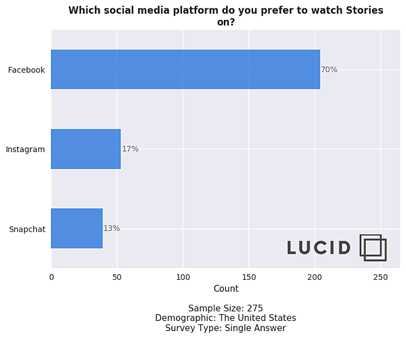
Because Stories pop up above News Feeds on FB. This could be a great way to get your content at the top of a prospect or regular customer’s feed as you update them with a photo or video that gives valuable information related to your brand.
Hubspot
Social Media Marketing Strategy
1. Business goal
- What the business want’s to achieve via social media? Brand building, community, traffic?
- Which Social Media Platforms will allow achieving that?
2. Target audience
- What is the target audience?
- What is the target audience behaviour?
3. Message
- What message the brand wants to communicate? What message the competition is communicating? What are the needs of the target audience and how to address those?
- How are they going to communicate this message? How is the competition communicating the message and what keywords are they using? What keywords is the audience looking for? What branded keywords should the brand pay for? (Remember the Branded SEO, apply to this strategy as well)
4. Analytics
- How is the brand going to measure success? What online tools are available?
Learn more about Social Media Marketing Strategy For Businesses – Expand Your Online Reach
Branded App
A branded app is a mobile application created by a company to promote its brand. Branded apps typically reflect the brand’s identity and feature their values, colours, logo, visual identity and style, slogan, and more.
ATInternet
Branded app and customer engagement
Branded apps can benefit customers by enhancing the user experience, facilitating sales, and delivering customer service. They can also be very beneficial for the brands, by driving consumer engagement and loyalty.
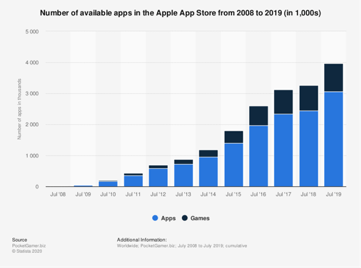
There are millions of apps available recently on the market and the number is constantly growing. Not all of them are successful. Some of the reasons the app could fail are, no value deliver via the app, lack of target audience research, poor user experience and app performance. Creating an app is an investment of time and resources, so it is important to create a good app.
What makes a good branded app?
Successful apps provide good customer value and encourage regular use.
Tweet
- At the core of value is utility, function or usefulness. This could be delivered in an app through problem-solving, providing entertainment, providing customer service or improving efficiencies for frequent tasks.
- A successful app ideally should have a single focus and provide a single service, with high performance. An app that is confusing or has poor performance will be less likely to receive ongoing consumer engagement.
- An app should be user-friendly. The utility can be supported through user-friendliness (ie. it is intuitive, easy to navigate, simple).
- Apps that can personalise users’ experiences, reflecting personal preferences have a higher chance of being considered valuable. There is a growing expectation of personalisation amongst app users.
- Apps should also have a consumer feedback option, enabling a good insight into customers’ experiences and an opportunity to address any complaints (Hamilton, 2019).
The Future of Mobile App https://youtu.be/VLoa4XBFWhg
Branded Podcasts
Over 40% of Americans aged 12 and older have listened to a podcast, with 24% of Americans listening to podcasts regularly.
Kate Harrison
Why podcasts are attractive to business owners?
- A brand can reach a hyper-target audience through podcasts. Reaching the target audience with the right message is key to success.
- Podcast improves SEO in both the search engine and the app that is displaying it (iTunes, Greene)
- Advertising on a popular podcast vs advertisings on self-created podcasts is two different stories, however. It will take time and resources to build the audience.
How to create a successful podcast
- Catchy name including the keyword you want to rank for
- Great cover art (image people see when searching for podcast) with the show title, host picture, clean image.
- Profesional introduction that will establish you as an expert.
- Interesting guests who share with the audience their stories.
- Market your show over social media with creative advertising ideas.
- Every episode needs a transcript allowing to turn it into a blog post or e-book.
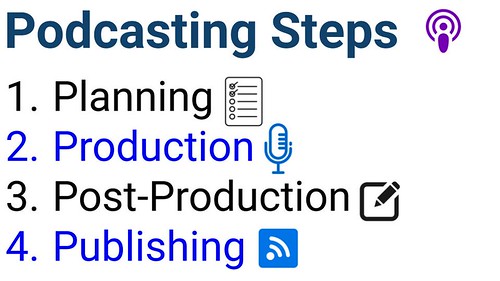
Summarising. Owned media play a crucial role in the digital marketing strategy of every brand. They are an essential tool of digital branding and digital customer engagement. Owned media marketing will not only promote the brand but most of all, it will build trust and loyalty of the audience. There are so many options available to the brands today. Websites, social media, Apps, Podcasts, to name a few. Implementing those through a smart marketing strategy and a holistic Branded SEO strategy is a key to success.
Read more about Digital Branding and Brand Engagement here:
Digital Branding and Brand Engagement – Content Marketing
Digital Branding and Brand Engagement – Digital Customer Behaviour
Read more about Search Engines Optimisation Strategy
How Search Engines can help your business? SEO Plan and successful SEM campaigns
Read more about Social Media Strategy
Social Media Marketing Strategy For Businesses – Expand Your Online Reach
Thank you for Reading!
Ola van Zyl
Did you enjoy reading this post? Please like, share and follow! Thank you!
 Online Marketing Solutions
Pingback: Mobile Marketing Strategy for Business – Online Marketing Solutions
Pingback: Marketing Strategy to Build a Premium Brand. – Online Marketing Solutions
Pingback: 6 Major SEO Strategy Differences between Enterprise and Small Business. – Online Marketing Solutions
Pingback: How Google Display Ads Can Help to Grow Your Business. – Online Marketing Solutions