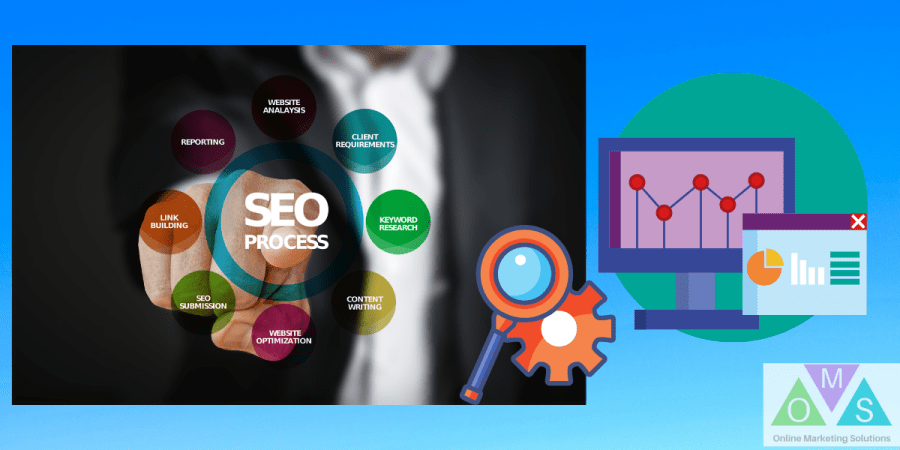
The combination of organic and paid search is powerful, with 68% of all trackable website traffic coming from a combination of the two tactics.
BrightEdge
Search Engines (SE) can help you to promote your business via organic search or paid search. To take the full advantage of the organic search you need to master the Search Engine Optimisation (SEO). This knowledge will be important to successful advertise online – Social Media Marketing (SEM).

This post will cover:
- How Search Engines can help your business.
- SEO Plan for businesses.
- Creating Successful SEM campaigns.
Search Engines explained
1. What are search engines?
Search engines (SE), like Google, Bing, Yahoo or AOL for example, are like a giant phone book helping businesses to connect with their clients. Search engines catalogue the Internet and connect the searchers with what they’re looking for. Search engines can provide the exact answer to the questions that your potential customers could ask. This is making the SE an excellent marketing tool for your business.
2. How search engines work?
- First, you type your question/phrase (search query) into SE.
- Then SE compares that query to its catalogue of web pages.
- Finally, SE pulls the best matches and displays it on the search result page.
3. Why search engines are important for your business?
For the customers to find you, you want to appear in the search engine result pages. You want your business to rank high, meaning be displayed among the top page searches. Not many customers scroll down to the second or third page. So, if you don’t rank high, the customers may never find your business online.
Your customers can also use the search engines to ask questions specifically about your business. For example, what are your opening hours? This is why all the possible questions that the customers could ask about your business must be searchable (answered online).

How search engines can help your business
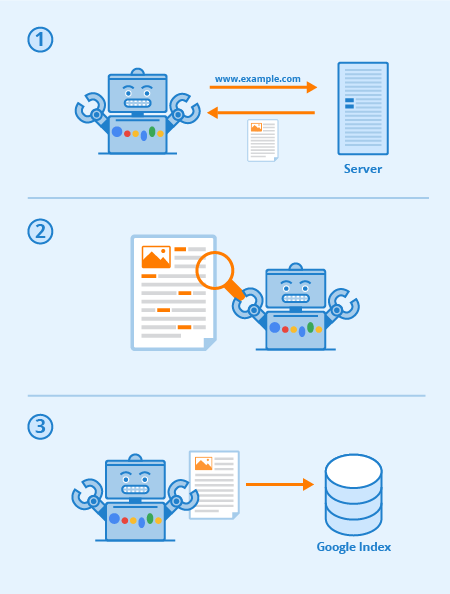
Every search engine is using similar software to help people with their searches. Each search, to be completed, has to undergo the following steps:
1. Crawling
After you ask the question, the search engine is looking for the most relevant answer, which they have permission to show. Search engines are using crawlers, spiders and boots that are constantly going through all the links available online.
2. Indexing
Search engines categorise each piece of the content base on its relevancy. The index is a gigantic list of all the search results found by the bots. There are hundreds of different copies of the same content found on different websites. There’s no need to index them all. For example, the same product can be available on various websites with the same description provided by the producer. By writing the description in your own words you increase your chances of being indexed.
3. Ranking
Search engines decide what content is most useful to the searches. Several factors can influence whether a link shows up in ranking or not. Those are:
- the number of words on the page
- the amount and type of linking to it
- the freshness of the content
The goal is always the same, to connect the searcher and to what they are looking for, in the best possible way.
Making your web page more visible to the search engines
You can optimise your webpages to make sure that they will show up in the search results.
To do that implement the following,
1. Relevant page title
HTML is the code behind your web content that the SE is reading. The title of the page (title tag) in the code is what it reads first. Make your title tag relevant to possible searches to let SE index it.
2. Relevant page copy
Think about,
- Who you want to reach through that text?
- What words are those people looking for (keywords)?
Create relevant content for your ideal audience. Use straightforward language to make sure that your audience will understand your text.
3. Relevant page images
Search engines see the code behind the picture. To make the picture visible to search engines add relevant image title and use Alt tag to describe the image.
How the Google Search Console can help your business
Google Search Console (GSC) is a free Google service, which helps you to get more traffic to your website. It matches your performance with Google search results and it shows you how Google sees your website.
GSC reports:
- Search analytics report. Shows who clicks on your links, which links they like most and least.
- The number of clicks. Shows you how often your site appears but nobody clicks, that’s a sign that you need to change something to convert searches into clicks.
- Crawl report. Monitor whether Google can successfully crawl your page. Your page needs to be crawlable, to be index and rank in SE.
- Google information report. Shows you if your page is accessible.
To access follow this link sign in and add your website. It might take a few days to gather and analyse your website. After you get the reports use it to improve your website performance.
What is Search Engine Optimisation
Organic (unpaid) search results are how your website will find online without advertising it. Search results displayed are the best match for the search query asked. If you want to appear in the search results it all comes down to the quality.
Search Engine Optimisation can be achieved with a good quality, relevant and original content.
Tweet
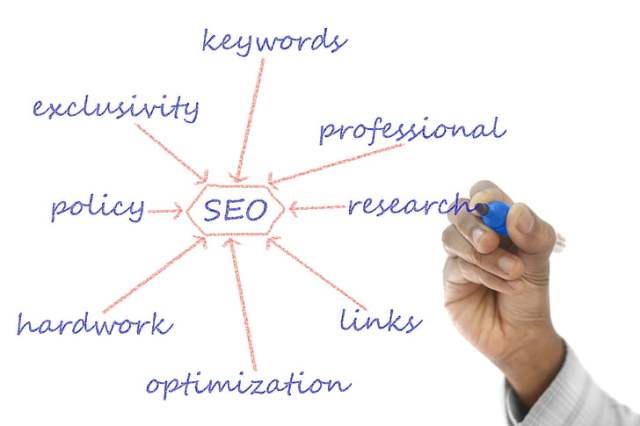
SEO Plan for businesses
It is always a good practice to have a plan for your SEO. This way you will be able to check if your efforts are bringing the desired results.
1. Set up a clear goal
What exactly do you want to achieve through SEO? More page visits, more subscribers, increase your product sales, etc.
2. Select your target audience
You cannot reach everyone with the same product/service. Chose your audience base on their age, location, gender, etc.
3. Decide how you want to reach your goal
Will that be more blog post or recipes, maybe an e-book, or perhaps online ads.
5. Keyword Research
Find the keyword relevant to your goal and your audience. Think of what your audience may be asking for and give them the answer.
4. Measure your progress
Use online tools to analyse whether what you are doing is working. Google Analytics or Google Search Console for example. Those will give you the insides you are looking for.
5. Reevaluate
If your plan is not working change it. Come up with a new SEO Plan and work it out until you get it right.
Read more about creating smart online business goals in Start Promoting Your Online Business Using Online Marketing Solutions.
On-site SEO
How to optimise your web pages to make sure the search engines will find it attractive?
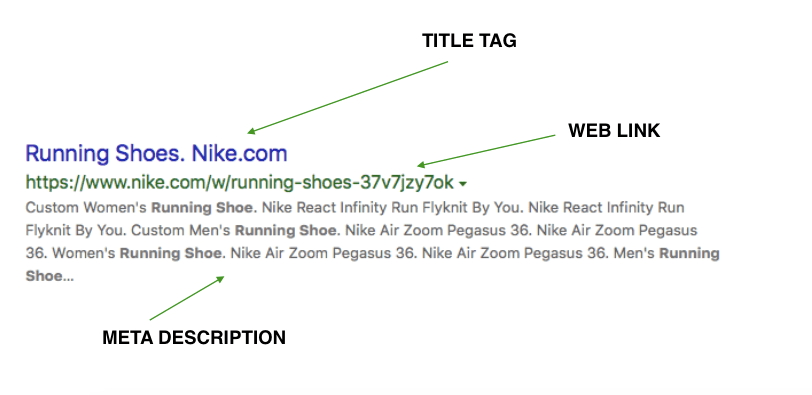
1. Title tag
That’s the title of your web page. It should explain what this page contains, contain your business name and the keyword you want to be found by. For example, Comfortable Running Shoes (keyword) from FunRun Shop (company name).
2. Meta description
That’s the few sentence description of your page, below the title. It should be relevant to the title and also contain the keyword. For example, FunRun Shop offers high quality, very comfortable Running Shoes (keyword). Perfect for outdoor running as well as indoor workouts. Different sizes and colours are available.
3. Page Copy
That’s the text on your web page. Make sure that it’s readable, clear and relevant. Also, include your keyword here, but the way it makes sense, don’t overdo it. Search engines don’t like a keyword that makes no sense. A minimum keyword per page is 3, recommended is 8.
Read more about On-Site SEO.
Mastering the SEO
To make sure the success of your SEO Plan do your research first.
1. Learn how search engine works
Complete widely available courses that will give you more insides of how the search engine works. Check out this Coursera SEO course.
2. Keyword research for your website
Find relevant to your business goals keyword, which people are searching for most often. Think what questions they could be asking for, like for ex., you are selling sports shoes for running, are people searching more often for “running shoes” or maybe more common is “runners”.
3. Quality website content
A well-composed web page will contain: title tag, meta description, clear txt with headings, relevant and original content.
4. Website popularity
Popular websites rank higher, you can increase your website popularity by,
A)Backlinks
That’s the links from other pages linking to your page, indicating that you are the to-go web for particular subject/items. How to encourage them?
- Good quality content will encourage other people to link to your web page.
- Build relations with other businesses promoting the same subject. Exchange links with them.
Read The 9 Most Overlooked Link Building Tactics by PowerfulDigitalSolution.
B)Interactions
- Social media engagement with your customers. Read more at Social Media Marketing Strategy For Businesses – Expand Your Online Reach.
- Feedback and reviews of your business.
SEO for local business
Search engines can prioritise your business for people who are nearby. How to help SE to do that?
- Include information, like business name, contact details, working hours and the area you service.
- Write content including the service area of your business.
- Include local photos, related local events or places, etc. on your website.
- Use several SE to list your business, like Google, Yahoo, Bing.
- Make sure that your web is mobile friendly and loads fast.
International SEO
When you promote your business internationally you want the search engines in different countries to rank your website.
There are a few things that will help you to make it work,
- Separate website for each language
If you only insert a call to action button on your website, like a country flag for ex., which will lead the visitor to a different language version of your website, the SE will never find it. SE is not able to click that button. You need to create a separate website for each language to be indexed by SE in each of those countries.
- Country-code top-level domain ccTLD
Each country has a different ccTLD for a web domain, for ex., .de – Germany, .ie – Ireland, and .uk.co is England. Get a domain with relevant ccTLD for the SE to find your web easier. You can also choose international ccTLD, which is .com. Then the SE will use different factors to establish the web location.
- Do not use an automatic translator
This leads to many grammatical errors, which the SE might read as a Spam, and do not display your webpage for that reason.
- Country specific
Besides the language, it is important that you also got the currency right, the opening hours and, of course, the country-specific content. Find out what interests people in the country you want to address and what exactly they might be looking for.
What is SEM?
Search Engine Marketing (SEM) is a way of advertising online. It will help you to show up in the top search pages if done correctly.
The online ads complement the organic search. The paid searches also need to be relevant to the search results. Otherwise, the search engines will not display it.
To decide which ad wins and is displayed the following factors are considered,
The bid
A maximum amount the advertiser is willing to pay for clicking the link to the ad. If someone clicks on the ad – the advertiser will pay for it. If your ad shows, but nobody clicks on it, you won’t be charged. This is called Pay-Per-Click-Marketing (PPC). The bid amount varies depending on the industry and the keyword.
The quality
The same like with the organic search the ad must be relevant to the search query. Otherwise, the SE will not display it. So again, the title-tag, meta-description and content must be relevant to the keyword.

Creating successful Search Engine Marketing campaign
The search engine display a very limited amount of paid searches. Even, if you create an online advertising campaign, it might not be shown, if you don’t do it right. Important things to consider
1. Keyword research bid
- The keyword needs to be relevant to what your customers are looking for.
- It should be a popular keyword. If your keyword costs far less than other keywords it means that nobody is searching for it.
2. Keyword competition
Popular keywords will cost more and your ad will have to win the bid with competing brands. You might have a chance if you are well-established business, but for startups, it may be difficult. Small businesses can choose relevant, popular enough keyword, with less competition.
3. Ad relevancy
For the search engine to like your ad, the ad needs to be relevant. Chose your keyword wisely. Make sure you got a relevant one, keyword is included in the title-tag, meta-description and content.
How to win the bid
- Long-tail keywords
If the keyword you were looking for has too much competition change it slightly. The keyword doesn’t have to contain a single word only, it can be a phrase. For ex., instead of “running shoes”, you can use “comfortable running shoes”.
- Quality
The quality of your ad is the key to win the bid. If you got a good, relevant content you will win the bid even if you offer less money. Remember the SE always want to provide the best answers for the questions asked by users.
How to create an attractive search engine ad
- Good value
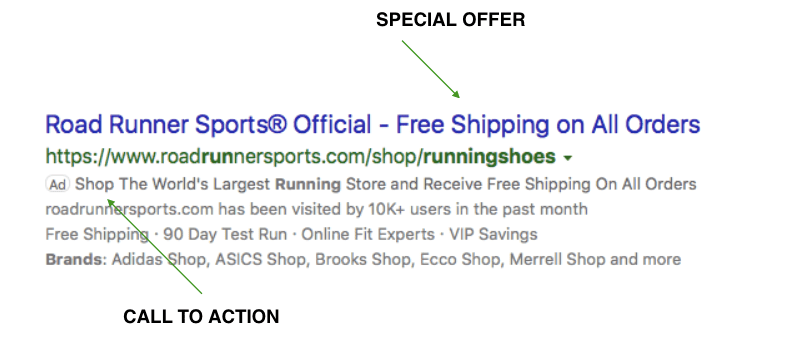
Offer a time-limited discount, and mention it in the title. For ex., Comfortable running shoes from FunRun 25% off this week only.
- Call to action
Tell people what they should do on your webpage in the meta description. For ex., Visit our gallery, or check out our recipes.
Good structured SEM
Successful SEM campaign should help searchers to find exactly what they are looking for.
Tweet
Therefore it should be,
1. Relevant ad
Search engines reward relevant adverts with a higher ranking. What are they looking for?
- SE consider your page title and meta-description, which should be relevant to the keyword the searcher is searching for.
- SE also consider the first page of the ad (the landing page), which should be relevant to the title and meta-description.
2. Well structured ad
With each campaign, you can organise multiple adverts for different products/services that you offer.
Structure it well, the way it makes sense. First show the most relevant ads. Group the ads accordingly to the subject.
For ex., FunRun shop advertising campaign for running shoes would first show running shoe ad. Afterwards, an advert for running outfits. Followed by, running accessories ad.
SEM keyword research
1. Keyword tools
To make the keywords as effective as possible use keyword tools available:
They will show you what keywords the audience is looking for most often.
2. Advert groups based on the keywords
Find a few relevant to your business keywords and create ad groups based on the keywords. For example, FunRun shop advertising campaign series: Ad 1: running shoes – keyword “running shoes”; Ad 2: running outfits – keyword “running outfits”; Ad 3: running accessories – keyword “running accessories”.
3. Relevant ads for each keyword
Write relevant ads for each group using group related keywords in the title tag, meta description and ad content.
For ex., (see campaign above) Ad 1: running shoes – keyword “running shoes”. Title tag: Comfortable running shoes from FunRun store on Sale. Meta – description: Visit our online store and check out the new running shoe collection. This week only 20% off the entire collection.
4. Negative keywords
People might be also looking for products and services you do not offer. As they will not find it on your website, you do not want them to find your ad at all. Set up negative keywords for items you do not have. For ex., (see campaign above) minus “indoor running equipment”.
Why you need the negative keywords? PPC is the answer – you are paying for every click on your ad, and you want to convert those clicks into paying customers. Preventing the ads from appearing for non-relevant searches is going to save you money. And, your ads will only show to the ideal customers, who are interested in your offer.
Negative keywords will save your business money on PPC campaigns.
Tweet
SEM keyword match types
A keyword match types will help you to find the ideal customers for your ads. How it works?
1. Add match type
- Phrase match: place quotations around the keyword, for ex., “comfortable running shoes” – ad will display for comfortable running shoes searches, and the additional words before or after the quotation marks.
- The exact match: place square brackets around your keywords, for ex., [comfortable running shoes] – ad will display for the exact keywords only, now words before or after the brackets.
2. Find you match type balance
If you want to increase the traffic quality, not quantity, try out what will work best for your business. Create separate ads with different match types and tract its performance.
3. Measure conversions
You can track which keywords and what match type is the most successful for your business. The conversions you will track depends on what’s the goal of your campaign. You can track for example,
- which match types/keywords converted into paying customers,
- which converted into customer interactions with your brand,
- which converted into a download from your web or a subscription.
4. Use conversion tracking code
To track conversions you will use a conversion tracking code. A line of code that you will place on the relevant webpage. You want to place it on the page showing after the submission of the enquiry you want to track, like a completed payment page, or completed download page, etc.
Local Advertising
Local advertising target is to show your ads to people that are local to you. The ads will show up for everyone who is in the nearby area.
To create targeted local adverts you can use various platforms like,
- Search engines – you can bid to show your ad only at certain geographic locations;
- Social networks – use business pages advertising available to specify your ad location; read more at Social Media Marketing Strategy For Businesses – Expand Your Online Reach.
- Local directories;
- Review sites.
Summarising, search engine optimisation is extremely important for every online business. If you want to be found online you need to optimise your website. Search Engine Marketing can amplify the organic search and help you reach even more people. By using SEM you can choose your exact target audience and display your brand only to the ideal customers.
Now, when you know how to optimise your website, promote it even further via social media. Read Social Media Marketing Strategy For Businesses – Expand Your Online Reach. If you want to learn more about creating a great content for your website check out Digital Branding and Brand Engagement – Content Marketing.
Thank you for reading! Let me know if you have any questions.
Ola van Zyl
Did you enjoy reading this post? Please like, share and leave a comment. Thank you!
 Online Marketing Solutions
Pingback: Digital Branding and Brand Engagement – Content Marketing – Online Marketing Solutions
Pingback: Digital Branding and Brand Engagement – Owned Media Marketing – Online Marketing Solutions
Pingback: What Does a High-Converting Blog Post Look Like? | Powerful Digital Solutions